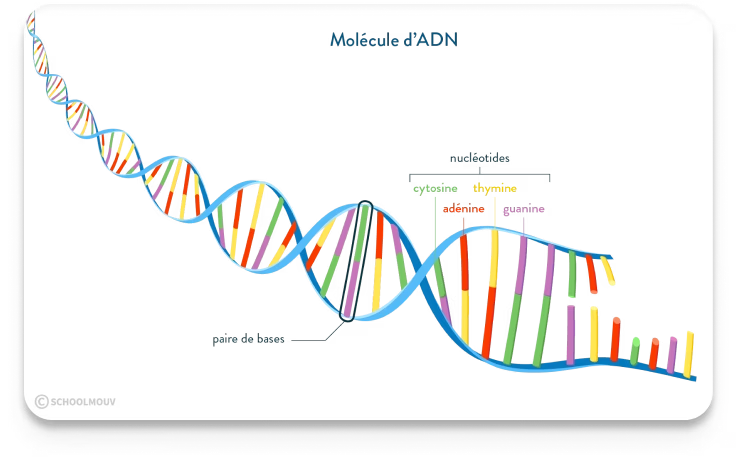
DNA is a double helix-shaped molecule composed of four nitrogenous bases: adenine (A), thymine (T), guanine (G), and cytosine (C). These bases pair specifically: A with T, and G with C, forming the "rungs" of the helical ladder.
The discovery of DNA's structure in 1953 revolutionized biology. It allowed us to understand how genetic information is stored, copied, and transmitted from generation to generation.
"We have discovered the secret of life."
— Francis Crick
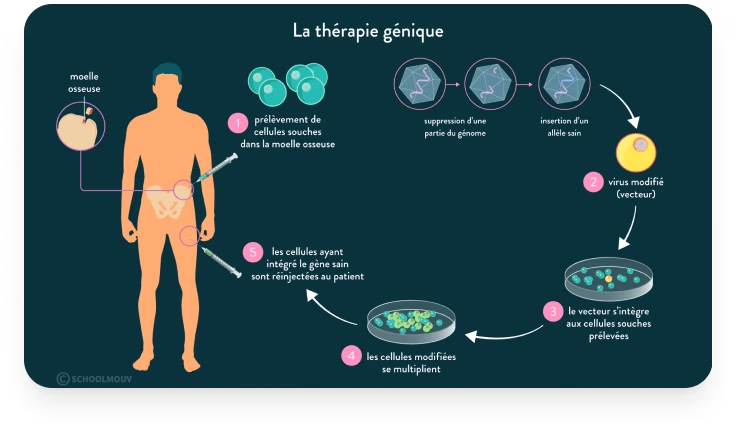
Today, our understanding of DNA has extraordinary applications: genomic sequencing, gene therapies, paternity tests, criminal investigations, and even the conservation of endangered species.